I might migrate the old blog here. or not.


Were There Architects in Ghana Before the Mid-20th Century? Overlooked Histories of Architects and Architecture in the Gold Coast/ Ghana (Part 2)
Scholars have tended to focus on a small number of UK- and US-trained architects as the first Ghanaian architects. But should the claim that there were “no formally qualified West African architects… available” (Turner, 2024) in the country be taken at face value, be accepted uncritically, and be repeated?

Were There Architects in Ghana Before the Mid-20th Century? Overlooked Histories of Architects and Architecture in the Gold Coast/ Ghana (Part 1)
I am making a series of posts on this blog about overlooked African and African-descended architects and architecture before the mind-twentieth century. I focus on the geographical area that is now Ghana, but due to pre-colonial configurations I will occasionally discuss people and work in other countries.
AFRICA ARCHITECTURE WATCH


The creators of museum envision it as “a uniquely curated virtual and physical space located in Ghana which is dedicated to sharing the true story of Africa and its people under the watchful eye of the world’s most noted scholars from the birth of civilization to present day.


Location: Benin-City, Nigeria
The Edo Museum of West Africa Art (EMOWAA) is a museum project designed by Adjaye Associates in collaboration with Nigerian professionals, with the main aim of housing (restituted) West African art and artefacts.

Location: Cape Coast, Ghana. A new proposed “smart city” project for Cape Coast in the Central Region of Ghana. The “City of Cape Coast” is reported to have “signed a memorandum of understanding with the African Diaspora Development Institute (ADDI) and two local companies, to pave way for the creation of an Ultra-Modern Smart City christened, the Wakanda City Of Return”
NEWS + MEDIA FEATURES | LECTURES + TALKS | EXHIBITIONS + EVENTS
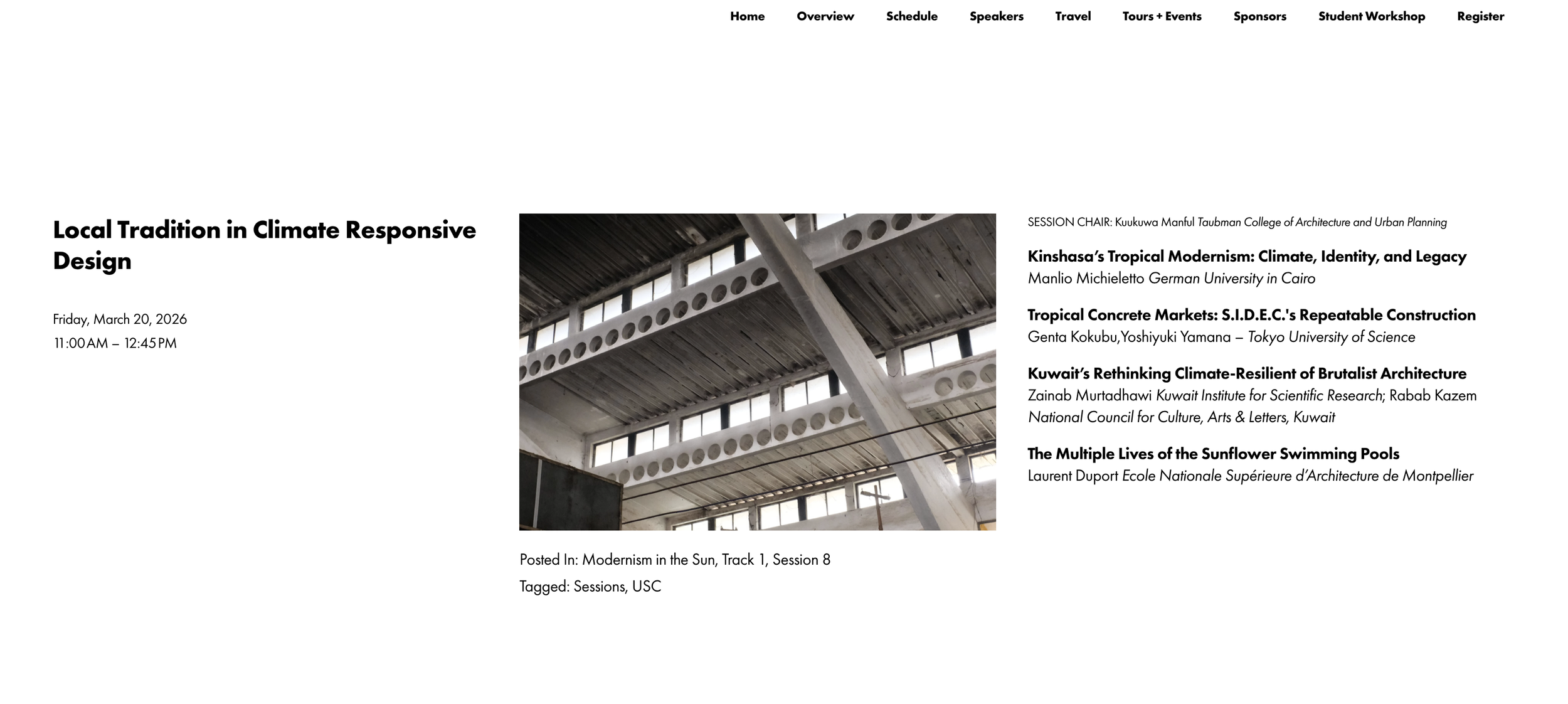
SESSION CHAIR: Kuukuwa Manful Taubman College of Architecture and Urban Planning
Panel:
Manlio Michieletto; Genta Kokubu,Yoshiyuki Yamana;
Zainab Murtadhawi; Rabab Kazem; Laurent Duport
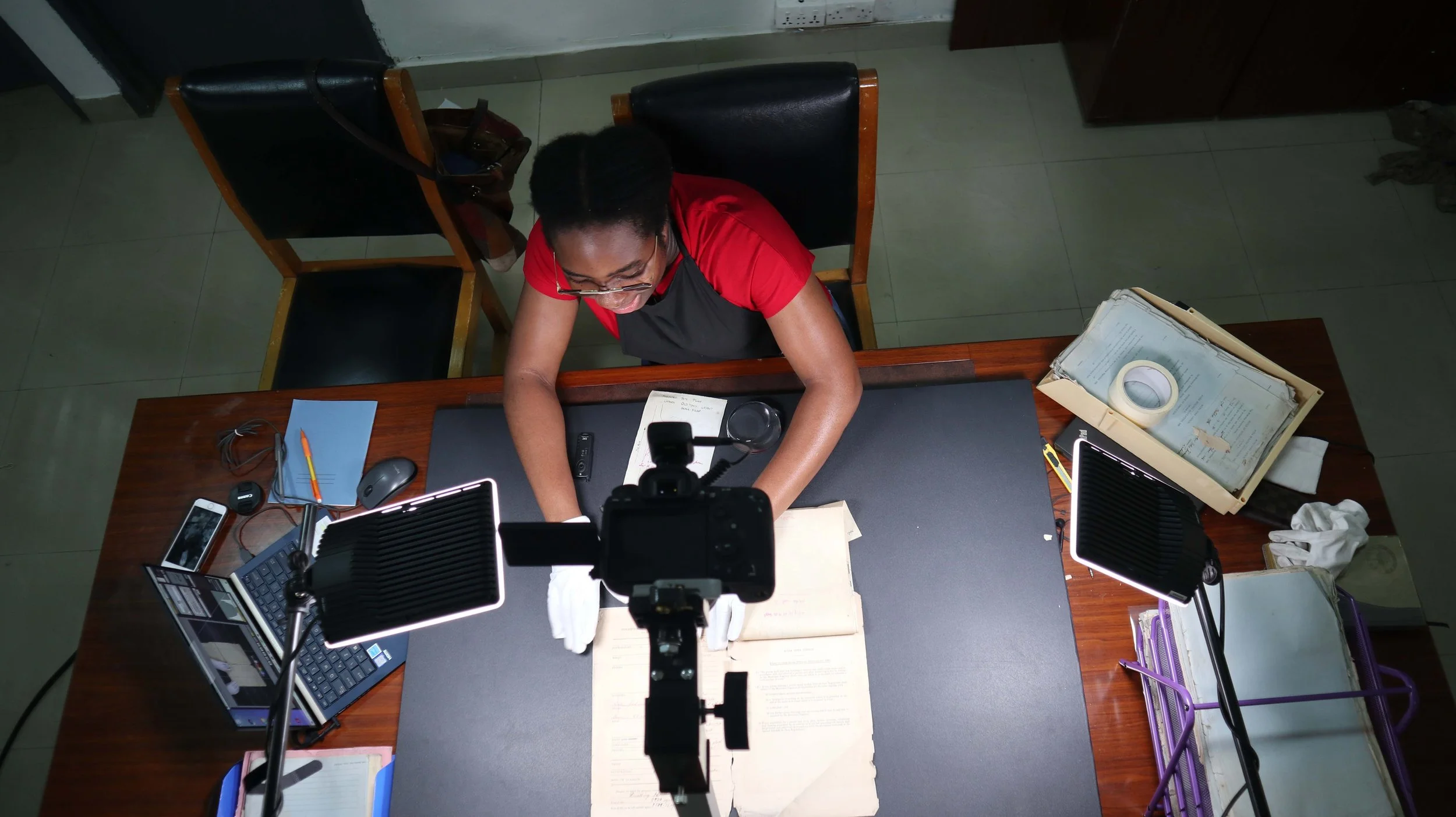
Kuukuwa Manful, Ph.D., assistant professor of architecture at Taubman College, has been awarded a grant from UCLA’s Modern Endangered Archives Program (MEAP) for her project to digitize architecture archives in Ghana.
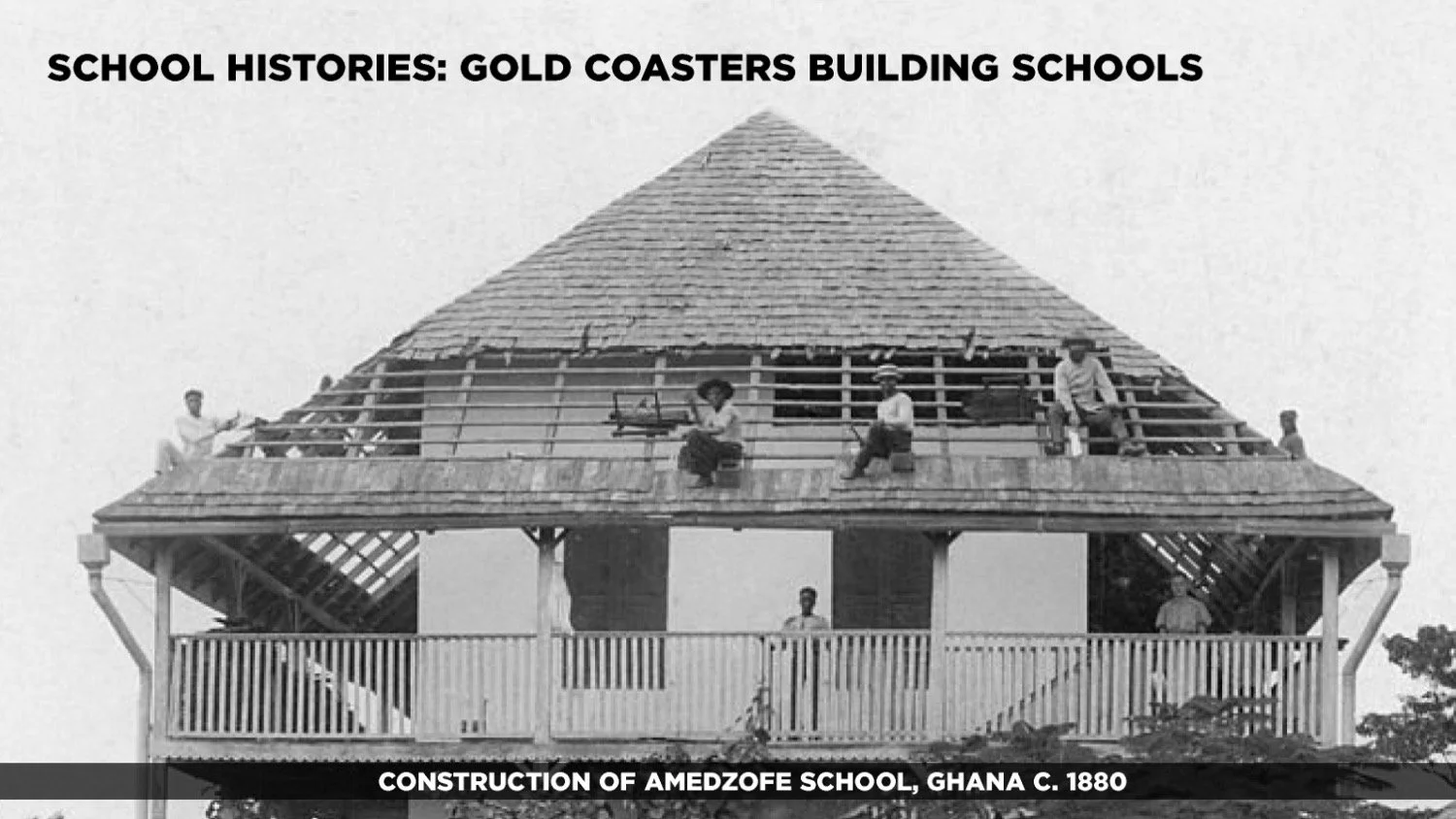
This article argues that the "soft" power of Western education in Ghana is undergirded by historical hard power, exercised through and reinforced by the architecture of schools.

Today on #Springboard, Your #VirtualUniversity we continue our anniversary series, Thinkathon with Dr. Kuukuwa Manful, Assistant Professor of Architecture at the University of Michigan. She shares groundbreaking ideas on redefining African architecture, building sustainably, and protecting Africa’s heritage for generations to come. Her insights will change the way you think about our spaces and our history.

This article - based on an African Studies Association Graduate Student Paper award-winning paper - establishes and investigates connections between the physical & sociopolitical architecture of school buildings and social class/ status in Ghana.
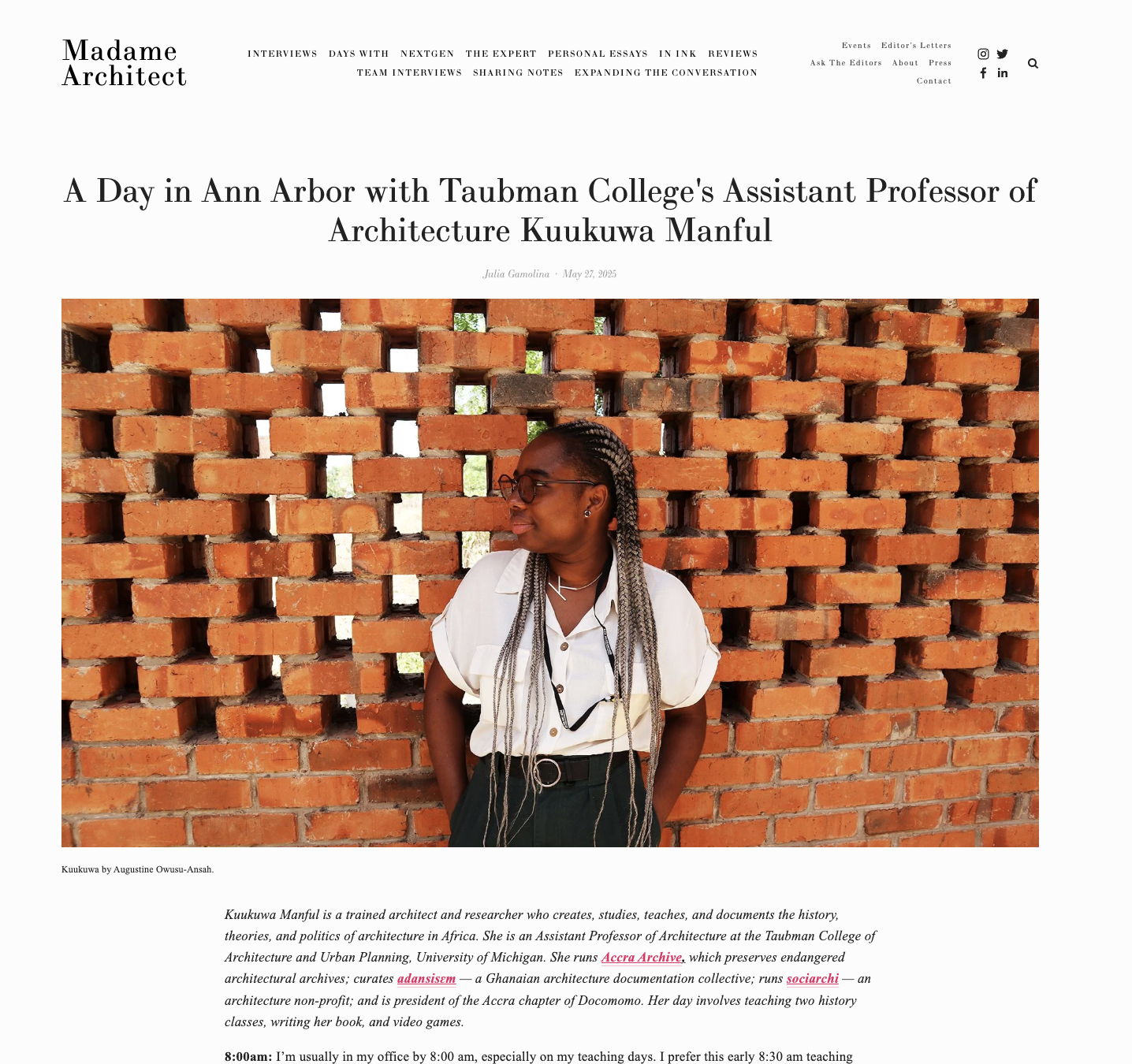
A Day in Ann Arbor with Taubman College's Assistant Professor of Architecture Kuukuwa Manful


Initially overlooked by many historians of modernism, these ‘informal’ settlements have recently been examined by certain historians with calls for their inclusion in the historical heritage of modernism. Some have asserted that, given the striking commonality (some might even say universality) of their material and spatial strategies, these should be included in the ‘international style’(Elleh, 2011, p. 59; 2014). How can we understand these ‘city doubles’ (Murray, 2015, p. 92) – one group designed from scratch and built primarily according to a master plan and the other challenging the master plan? Or how might we complicate hegemonic narratives of new cities and modernist master planning through multidisciplinary approaches, and creative uses of sources? How have these projects addressed social disparities, or otherwise? And how might re-examining histories and narratives inform the continued quest for sustainable and equitable cities?

But what is generalised as informal architecture and urbanism includes not just marginal constructions such as ‘slums’, ‘kiosks’, and ‘shacks’ but also a vast assortment of carefully constructed and capital-intensive buildings created outside the purview of professional institutions and governments such as shopping complexes, factories, and mansions. Indeed, I contend that this latter group makes up a significant proportion of this informal category and, thus, a substantial portion of the African built environment. Focusing on the case of present-day Ghana, in this essay, I show how a significant proportion of the African built environment has been misunderstood in academic research and overlooked as ‘informal’, distorting research and policies around architecture and urbanism on the continent.